

Living with pets brings plenty of joy. However, it also means dealing with fur, tracked-in dirt, and everyday messes. Although some dirt is easy to spot, other debris hides beneath furniture or between cushions. As a result, overlooked areas can make your home feel less fresh over time.
For this reason, deep cleaning for pet owners focuses on the places routine cleaning often misses. In particular, it targets neglected surfaces, hidden debris, and frequently used spaces. Moreover, a practical cleaning routine helps maintain a comfortable home for your household and furry companions. With this in mind, you can manage everyday mess while giving overlooked areas the attention they need.
Deep Cleaning for Pet Owners: Where Dirt Hides
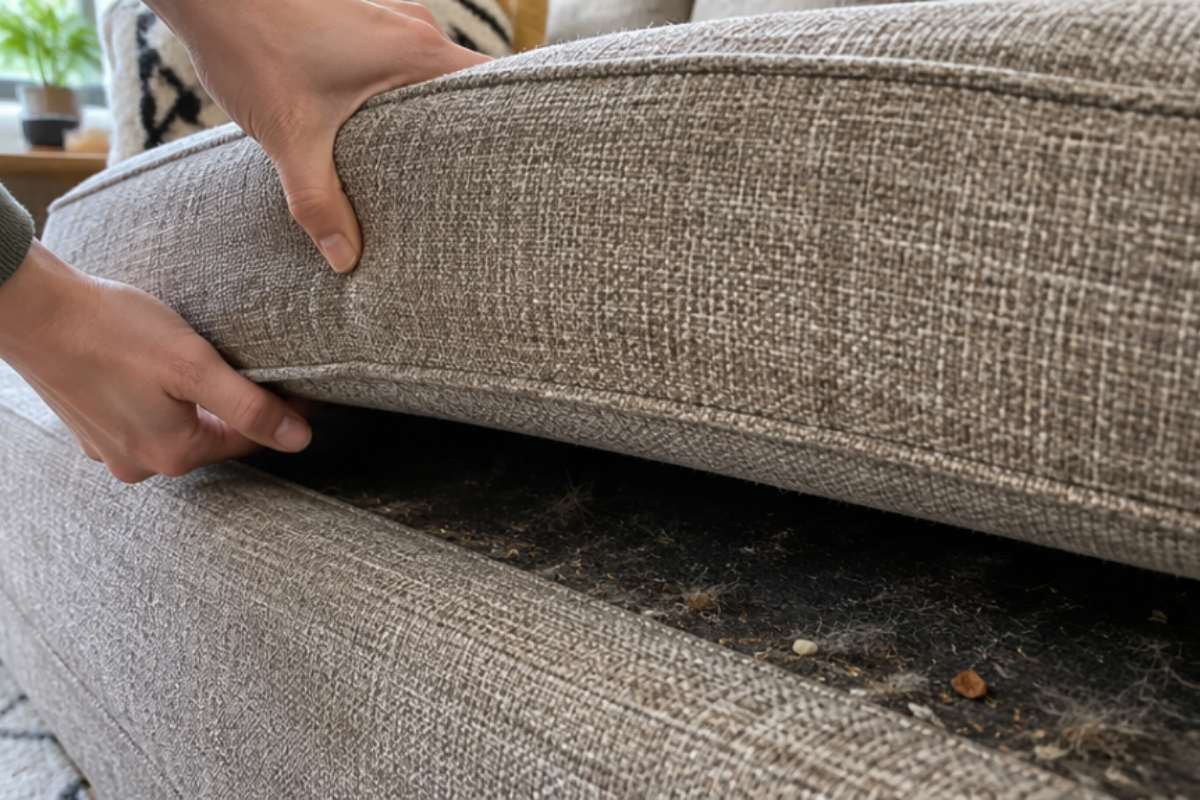
Pets often return to the same comfortable spots. For example, they might curl up on the sofa, stretch out on a rug, or sleep beside your bed. Because these areas receive repeated use, they often collect more debris over time. Consequently, knowing where dirt gathers helps you clean more effectively. In other words, a thorough approach involves looking beyond what is immediately visible.
Upholstery, Cushions, and Furniture Gaps
Sofas and armchairs often collect loose fur, dander, crumbs, and dust. Although vacuuming visible surfaces helps, dirt can also settle beneath cushions and along seams. In fact, everyday use pushes small particles into these narrow gaps. For this reason, hidden areas deserve regular attention.
To begin, remove cushions when possible. Next, vacuum the exposed surfaces and crevices. Additionally, pay close attention to the spaces between cushions. Likewise, check your pet’s favorite resting spot for lingering dirt. Before using any cleaning product, however, follow the furniture manufacturer’s care instructions.
Floors, Baseboards, and Hard-to-Reach Edges
Floors receive plenty of pet-related mess. For instance, paws bring in dirt, while loose fur gathers in corners. Meanwhile, dust settles along baseboards and beneath furniture. Even so, regular vacuuming might leave some areas untouched.
To address this issue, include floor edges and accessible spaces beneath furniture in your routine. First, remove loose debris before mopping hard floors. Afterward, choose a cleaning method suited to the flooring material. In addition, wipe reachable baseboards and other dusty surfaces. Although these tasks might seem minor, they help give a room a more finished appearance. Ultimately, these extra steps make your cleaning routine more thorough.
Pet Beds, Blankets, Toys, and Feeding Areas
Your pet’s belongings need regular cleaning, too. For example, beds and blankets collect fur, dirt, and everyday residue. Similarly, food bowls and water dishes require frequent washing. At the same time, toys gather dirt through handling, chewing, and contact with the floor.
To keep these items fresh, follow their care instructions. For instance, wash suitable bedding and blankets regularly. Likewise, clean feeding dishes at the recommended frequency. While cleaning toys, inspect them for damage. For additional guidance, consult the CDC’s guide to cleaning and disinfecting pet supplies. Furthermore, this resource explains appropriate cleaning frequencies and safe handling practices. By following suitable guidance, you can keep pet belongings cleaner and better maintained.
Carpets, Rugs, and Persistent Odor Sources
Carpets and rugs can trap fur, dust, and other debris. Over time, these particles settle deep within the fibers. Similarly, spills and pet accidents can leave residue behind. Consequently, unpleasant smells might linger even after a quick cleanup.
To begin, remove loose debris and address fresh messes promptly. However, check the care label before applying a cleaning solution. If the product is suitable, test it on a hidden area first. When an odor persists, investigate its source instead of masking it with fragrance. After all, covering a smell does not remove the material causing it. Ultimately, some stains and deeply embedded residue need more targeted attention than routine vacuuming provides.
Deep Cleaning for Pet Owners: A Room-by-Room Plan
A room-by-room approach makes cleaning easier to manage. More importantly, it helps you focus on the spaces your pets use most. To begin, clean higher surfaces before moving toward the floor. This way, falling dust is less likely to settle on areas you’ve already cleaned. As a result, you can work more efficiently without repeating tasks. In addition, dividing the work by room helps you keep track of overlooked areas.
Living Room and Shared Spaces
Begin with the areas where your household spends the most time. First, remove loose items from sofas and chairs. Then, vacuum upholstery where appropriate. Afterward, clean between cushions and along furniture seams.
Once these tasks are complete, dust shelves, tables, and other surfaces. Next, tackle floor edges and accessible spaces beneath furniture. If your pet has a favorite blanket or cushion, clean it according to the care instructions. Similarly, check corners where fur tends to gather. By working from top to bottom, you can avoid repeating tasks. Consequently, your cleaning session becomes easier to manage.
Bedrooms and Sleeping Areas
Bedrooms often need more attention than routine tidying provides. For instance, fur can collect on bedding, beneath the bed, and around furniture legs. In addition, dust may build up on bedside tables and baseboards. Unfortunately, these areas are easy to overlook during a quick cleanup.
To start, wash suitable bedding and clear accessible spaces around the bed. Next, dust furniture before vacuuming the floor. Whenever space allows, reach beneath the bed as well. Similarly, if your pet sleeps on your bed, follow the fabric care instructions for blankets and covers. Over time, this consistent routine helps limit fur and dust between deeper cleaning sessions.
Kitchen and Feeding Stations
Pet feeding areas deserve special attention. Food crumbs, water drips, and splashes can gather around bowls and feeding mats. Furthermore, nearby cabinets may collect dirt and residue. For this reason, wiping visible surfaces alone might not be enough.
First, wash food and water dishes according to the recommended schedule. Then, clean the surrounding floor whenever spills occur. In addition, wipe nearby cabinet fronts and handles. Meanwhile, keep pet supplies separate from food preparation items. Finally, follow the labels on any cleaning products you use. Together, these habits help keep feeding areas cleaner and easier to maintain.
Bathrooms, Entryways, and High-Traffic Areas
Entryways often collect dirt from paws and shoes. Consequently, they deserve regular attention, especially after outdoor walks. Meanwhile, bathrooms may need extra care around fixtures, floor edges, and stored pet supplies. Since each space serves a different purpose, adjust your routine accordingly.
To begin, remove loose debris from entryway floors. Afterward, mop the surface using a suitable method. In bathrooms, clean appropriate surfaces and reach neglected corners. Additionally, check areas where you store litter or grooming supplies. By addressing these spots, you can reduce overlooked dirt and help keep your home feeling fresher.
How to Clean a Pet-Friendly Home Without Creating New Risks
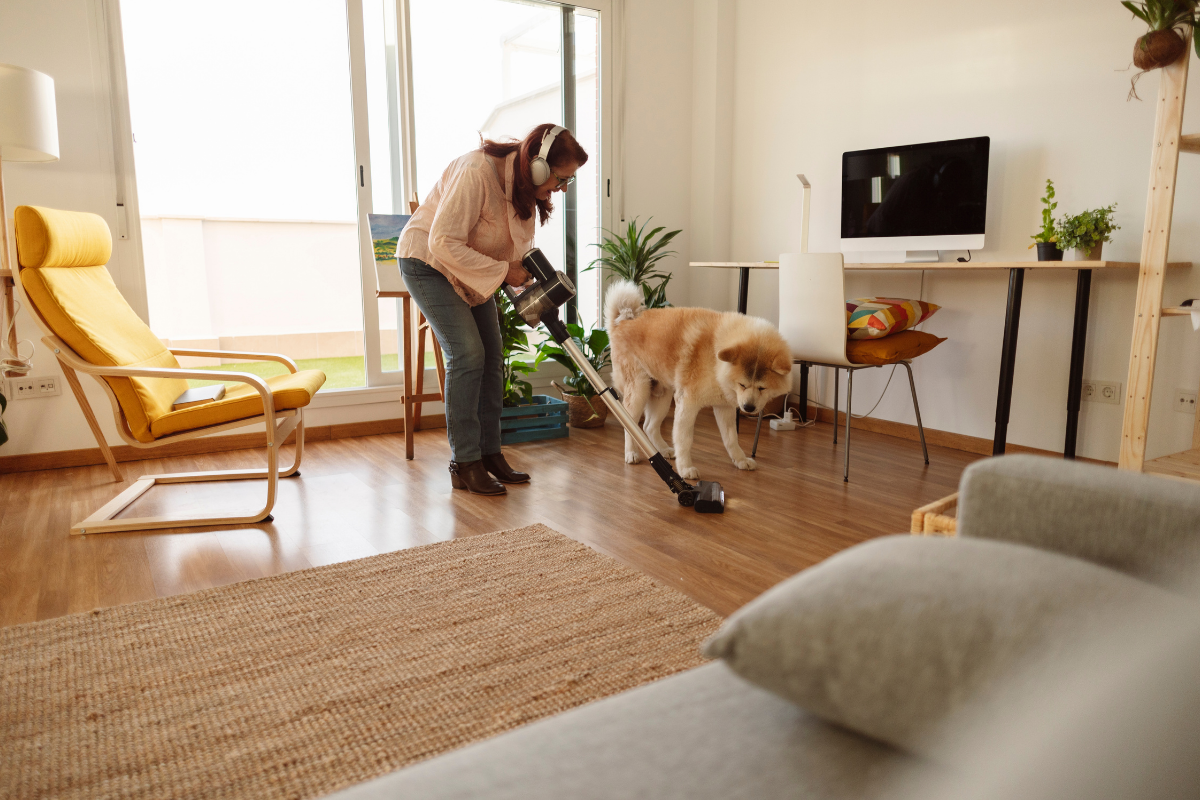
A clean home should also be safe for its animals. Unfortunately, some cleaning products can irritate pets or cause harm if swallowed. Others, meanwhile, pose risks when inhaled or licked from surfaces. For this reason, careful product selection matters just as much as the cleaning itself.
First, read product labels before use. Then, follow the stated dilution, application, and ventilation instructions. Additionally, keep pets away from freshly cleaned areas until the label says it is safe. Above all, never mix cleaning products. In particular, mixing bleach with ammonia can release dangerous fumes.
It also helps to understand the difference between cleaning and disinfecting. Cleaning removes dirt and many germs from surfaces. By contrast, disinfecting uses suitable products to kill germs. Because not every surface needs disinfection, follow product directions when choosing a method. Furthermore, consult reliable guidance whenever you are unsure about a product’s intended use.
Your pet’s specific needs also matter. For example, animals can react differently to certain ingredients and fumes. Birds, in particular, are especially sensitive to airborne irritants. Therefore, store cleaning products securely and prevent pets from licking treated surfaces. If exposure is suspected, contact a veterinarian or an appropriate poison-control resource. By taking these precautions, you can clean more carefully while reducing avoidable risks.
When DIY Cleaning Falls Short
Regular upkeep helps control everyday mess. Nevertheless, some areas become harder to clean as residue builds up. For example, fur might remain trapped in upholstery seams, while dust collects behind furniture. Similarly, baseboards may need more than a quick wipe. As a result, recognizing these signs helps you decide when a deeper clean makes sense.
What a Professional Deep Clean Can Address
A professional deep clean gives neglected areas more attention. Depending on the service, tasks may include detailed dusting and cleaning baseboards and vents. Additionally, other tasks may involve removing cobwebs, sanitizing high-touch points, mopping floors, and cleaning mirrors. In the kitchen, cleaning may cover appliance degreasing, countertops, backsplashes, sinks, faucets, and cabinet interiors.
For pet owners, upholstery and spaces beneath cushions also deserve attention. After all, these areas often collect fur and everyday debris. However, results depend on the material and type of buildup. Therefore, specialized stain treatment or persistent pet odor removal should not be assumed unless the provider confirms it.
When routine cleaning no longer feels sufficient, review the company’s deep cleaning services. From there, check the available tasks and request a quote for your home. By understanding the service beforehand, you can choose the right level of support. Consequently, you can set more realistic expectations before booking.
What to Confirm Before Booking
Before booking a professional clean, explain your household’s needs. In particular, identify the areas your pets use most. Also, mention concerns such as heavy fur buildup or recurring messes. Once you’ve explained your priorities, ask which tasks the quoted service includes.
You should also discuss delicate materials and suitable cleaning methods. If pet safety is a concern, ask about the products used. Additionally, find out whether your animals should stay away from the work area during the appointment. By discussing these details in advance, you can set clear expectations. As a result, the appointment is more likely to meet your household’s needs.
Build a Cleaning Schedule That Works With Pet Life
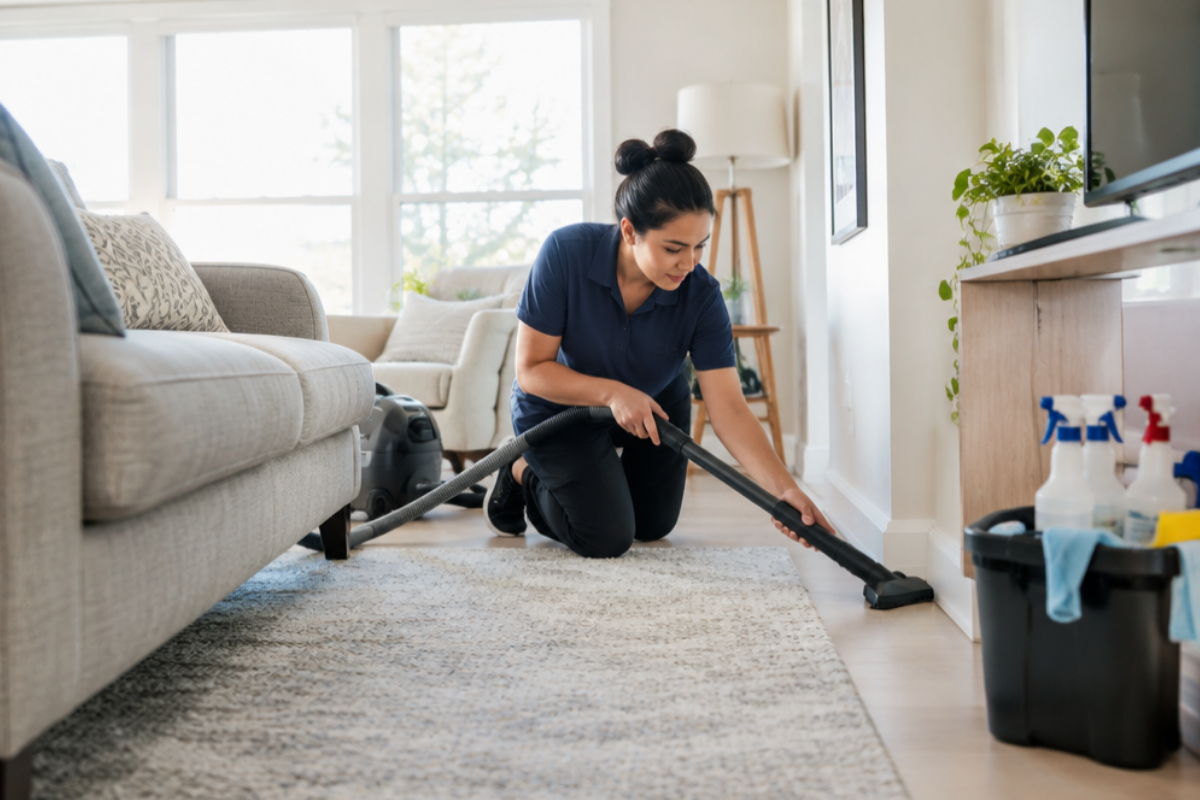
Pet-related messes rarely follow a perfect schedule. Fortunately, a practical routine is easier to maintain than an ambitious one. Rather than tackling everything at once, spread smaller tasks throughout the week. Then, reserve more time for areas with noticeable buildup. In this way, you can stay consistent without making cleaning feel overwhelming.
Daily Tasks
Start with simple tasks that prevent messes from spreading. For example, remove visible fur from frequently used surfaces. Similarly, clean spills and accidents promptly. Meanwhile, wash food and water dishes at the appropriate frequency. Also, check feeding stations and entryways for fresh dirt.
These small steps help manage everyday mess before it becomes harder to remove. In fact, even a brief cleanup after meals or outdoor walks can reduce the debris entering other rooms. As a result, routine cleaning becomes easier to maintain throughout the week.
Weekly and Periodic Tasks
Set aside time each week to wash suitable pet bedding and blankets. Likewise, vacuum floors and upholstery, paying special attention to corners and areas where fur gathers. Meanwhile, dust baseboards and neglected surfaces as needed. By spreading these tasks across the week, you can avoid leaving every chore for one day.
Other items require different cleaning schedules. For instance, clean pet toys according to their materials and condition. At the same time, inspect them for wear or damage. Above all, follow product instructions and reliable pet-care guidance when deciding how often to clean each item.
Knowing When a Deeper Clean Is Worthwhile
Some tasks need more attention despite regular upkeep. For example, dust might keep returning to neglected corners. Similarly, fur may remain trapped beneath cushions. Even after routine cleaning, your home might feel less fresh. Taken together, these signs suggest it is time to reassess your approach.
The ideal schedule depends on several factors. First, consider the number of pets in your household and their shedding habits. Next, think about how much time they spend indoors. Finally, use visible buildup and your home’s needs as practical guides. Instead of following a rigid schedule, adjust your routine as needed. Ultimately, this flexible approach helps you manage mess without making cleaning a constant chore.
A Cleaner Home Without Compromising Your Pet’s Comfort

Sharing your home with pets does not mean accepting constant fur or ignoring hidden dirt. Instead, consistent upkeep helps control everyday mess. Furthermore, attention to overlooked surfaces makes a difference. With careful product choices, you can maintain a cleaner space while keeping your pet’s comfort in mind.
To get started, focus on the areas your companions use most. Then, work through the rest of your home as time allows. When routine cleaning no longer addresses the buildup, professional help offers another option. For households seeking more detailed attention to their living spaces, L.A. Clean Co provides a Los Angeles deep cleaning service.
Ultimately, give your home the reset it needs. First, review the available services and request a personalized quote. From there, plan a deep clean around your household’s priorities. With the right approach, you can address overlooked mess and make your home feel more inviting.



