

The excitement of finishing a home remodel vanishes quickly when you notice fine drywall powder covering every surface. Standard sweeping only kicks these tiny particles back into the air. Fortunately, applying smart post-renovation dust hacks will clear your space quickly. Because these techniques trap powder at the microscopic level, they protect your home’s air quality effectively.
Cleaning up after construction requires a focused plan. Because tackling a massive mess without the right tools can exhaust you, having a clear strategy makes all the difference. For this reason, many homeowners partner with experienced house cleaning services in Los Angeles to handle heavy post-remodel cleanup effortlessly.
Why Remodel Fine Powder Keeps Coming Back
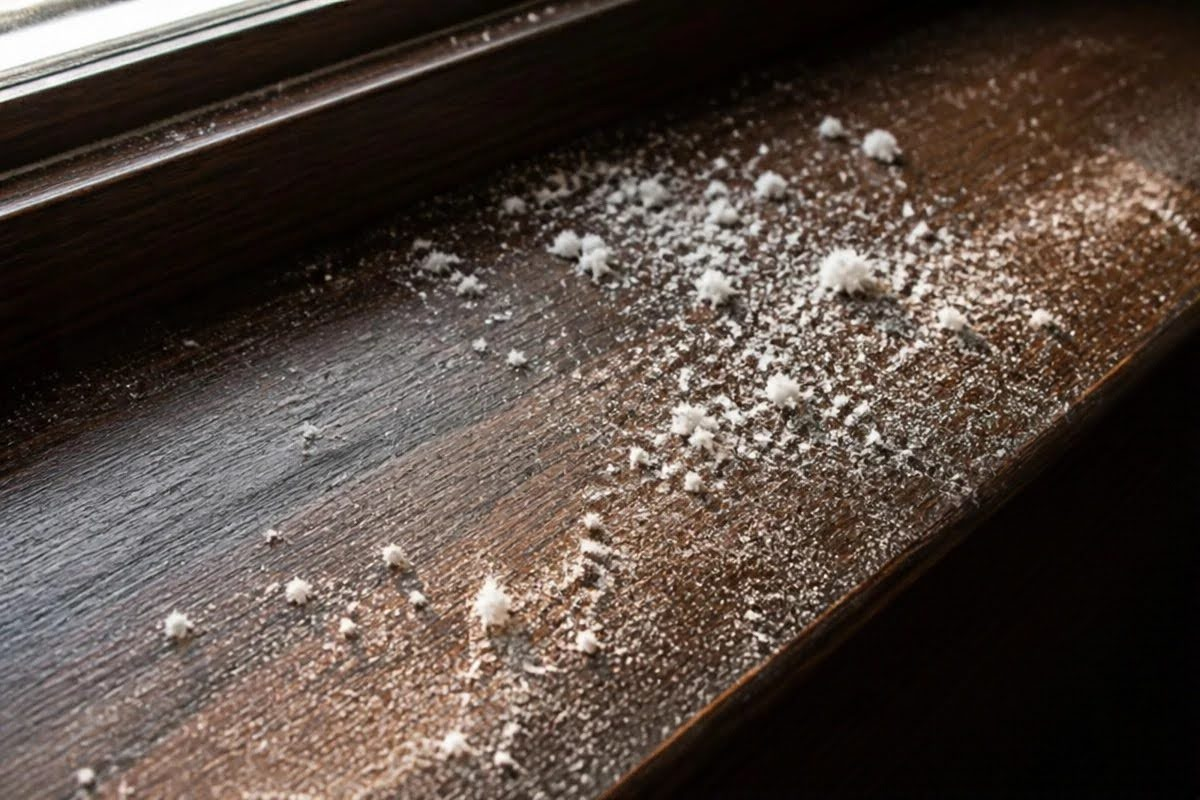
Fine dust behaves differently than regular household dirt because construction debris contains lightweight materials like gypsum and silica. As a result, these light particles float in the air for hours before settling on your furniture.
The Problem with Drywall and Silica Particles
Drywall mud creates microscopic powder that easily bypasses basic vacuum filters. Consequently, standard vacuums blow these fine particles right back into your living room. When powder gets pulled into your HVAC system, it continues to circulate across every room for weeks.
The Top-to-Bottom Cleaning Rule
Always clean your rooms from top to bottom. If you sweep the floors first, falling dust from ceiling fans will instantly ruin your hard work. Therefore, clean high shelves, light fixtures, and walls before touching your floor surfaces.
Post-Renovation Dust Hacks 1 & 2: Air Scrubbing and Microfiber Capture
Before you start wiping down surfaces, you must control the airborne dust floating through your rooms. Because combining strong air movement with specialized materials works well, it prevents particles from settling across clean areas.
Hack 1: Run Box Fans and HEPA Units to Clear the Air
Place box fans in open windows with the blades blowing outward. This setup creates negative pressure, which forces floating airborne dust out of your home. Additionally, run portable HEPA air purifiers continuously to trap microscopic floaters. For detailed safety standards on indoor air filtration, check out the official EPA Guide to Air Cleaners in the Home.
Hack 2: Swap Feather Dusters for Damp Microfiber
Feather dusters scatter particles around your room instead of capturing them. Instead, use slightly damp microfiber cloths. Because microfiber carries a natural static charge, it grabs fine drywall powder on contact and holds it tightly until you rinse the cloth in warm water.
Post-Renovation Dust Hacks 3, 4 & 5: Trim Detail, Vent Care, and Floor Mopping
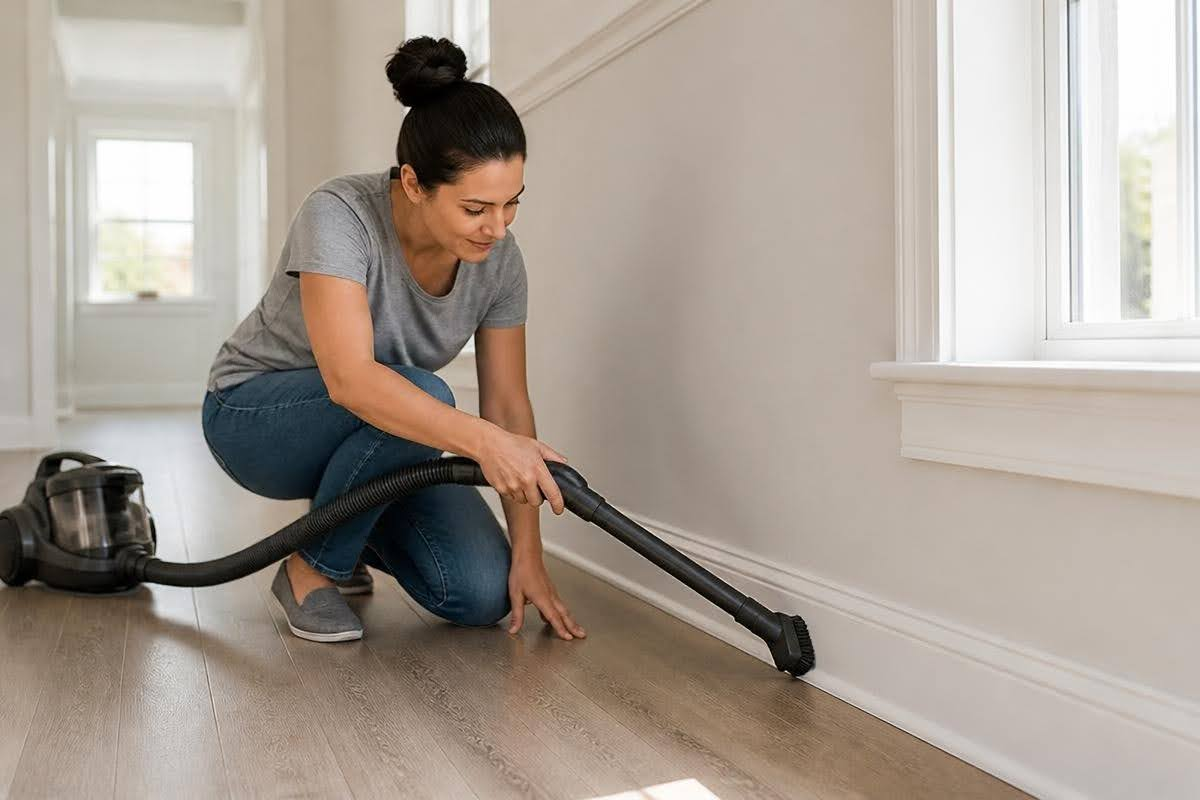
Once you control the floating air particles, you can target stubborn residue hiding along your trim work and inside your ventilation ducts.
Hack 3: Use Tack Cloths on Baseboards and Cabinets
Baseboards and cabinet grooves collect thick layers of sticky white haze. First, vacuum these areas using a soft brush attachment. Next, wipe sticky painter’s tack cloths over intricate woodwork to lift remaining residue without scratching fresh paint.
Hack 4: Swap Out Air Filters and Vacuum Registers
Your HVAC system pulls in massive amounts of airborne dust during construction work. Because of this, you must change your central furnace filter immediately after major work finishes. Furthermore, vacuum return grilles thoroughly so dirty buildup stops blowing into your clean rooms.
Hack 5: Double-Mop Hardwood and Tile Floors
Never use a vacuum beater bar on fresh hardwood, as trapped grit can scratch the finish. Instead, vacuum with a hard-surface floor tool. Afterwards, damp-mop floors twice using fresh microfiber pads, swapping out your rinse water frequently to prevent spreading muddy slurry.
Bringing in Professionals for Heavy Cleanup Work
Although DIY techniques work well for minor projects, extensive home renovations often require heavy commercial equipment. Because knowing when to call in professional assistance saves both time and energy, it remains a smart choice.
When a Project Is Too Big for DIY
High ceilings, delicate chandeliers, and recessed window tracks demand specialized tools. Trying to clean large square footage with household supplies often leads to frustration, especially when dust keeps resettling.
Commercial Gear Makes the Difference
Hiring a reliable Los Angeles house cleaning service gives you immediate access to commercial HEPA vacuums and experienced cleaning teams. As a result, professional technicians strip away stubborn white film efficiently, leaving your newly remodeled home completely spotless.
Enjoy Your Freshly Finished Space

Managing construction mess does not have to feel overwhelming. By using damp microfiber, changing HVAC filters, and controlling airflow, you can eliminate lingering powder completely. Ultimately, these straightforward steps protect your air quality and keep your surfaces clean.
If you prefer to skip the exhausting labor entirely, professional teams can restore your home in a single visit. Contact Los Angeles Cleaning Company today to schedule a thorough deep clean and enjoy your pristine space stress-free!



