
A single missed cleaning cycle rarely stays contained. Instead, it starts small: a smudged window, a sticky floor near the register, a stockroom that never gets tackled. Then it spreads. Overall, retail store cleaning is one of those responsibilities that looks optional. But by the time customers notice, the damage already reaches sales, safety, and staff morale. So, this post breaks down exactly how that slide happens. More importantly, it shows you how to catch it before it costs you.
What “Slipping” Really Means for a Retail Space

Not every off day signals a real problem. For example, a busy Saturday can leave a store looking rougher than usual. That’s normal. However, a pattern is different from a bad day. Specifically, slipping happens when small lapses repeat until they become the new normal. As a result, nobody notices the shift because it happens gradually.
In general, retail spaces show wear faster than most commercial environments. For instance, foot traffic and product handling both accelerate grime buildup. Constant door activity adds to it too. Because of this, a routine that worked fine six months ago may already fall short today. Meanwhile, store owners often assume a cleaning schedule is “set it and forget it.” In reality, retail environments demand regular reassessment.
The Difference Between a Bad Day and a Broken Routine
Typically, a bad day fixes itself by tomorrow. A broken routine compounds instead. For example, if the same corners stay dusty week after week, that’s a routine problem. The same goes for a smell that lingers no matter how many air fresheners get used.
Why Retail Spaces Show Neglect Faster Than Offices
Generally, offices see steady, predictable traffic from the same small group of people. In contrast, retail stores see strangers, dozens or hundreds per day. Each one touches products, opens fitting room doors, and tracks in outside debris. As a result, retail spaces need a cleaning cadence built for volume, not for convenience.
The First Signs Retail Store Cleaning Standards Are Dropping
Usually, retail store cleaning problems don’t announce themselves loudly. Instead, they show up as small, easy-to-dismiss details. These details add up fast. Therefore, catching them early is the best way to avoid a costlier fix later.
Floors, Fixtures, and Fitting Rooms Where Slips Start
Naturally, floors take the most abuse and show it first. For instance, scuffed tile, sticky spots near entrances, and grimy fitting room mirrors are early warning signs. Because these areas see the highest traffic, they tend to degrade faster than anywhere else in the store.
The Smell Test: An Underrated Early Warning
Interestingly, smell registers before sight does. Often, a store that smells stale or musty is masking a deeper cleaning gap. The same goes for a space that relies on heavy fragrance to cover something up. So, trust that instinct; it’s usually right.
Staff Complaints as a Leading Indicator
When employees comment on the mess before customers do, take it seriously. After all, staff notice buildup in break rooms and storage areas long before shoppers do. In short, their complaints are a free, early-warning system many owners ignore.
Where Deep Cleaning in Los Angeles Fits Into Retail Upkeep
Fundamentally, daily upkeep and deep cleaning solve two different problems. Confusing them is where many retail owners go wrong. Therefore, understanding the distinction is the first step toward a schedule that actually holds up.
Standard Cleaning vs. Deep Cleaning: What’s the Real Difference
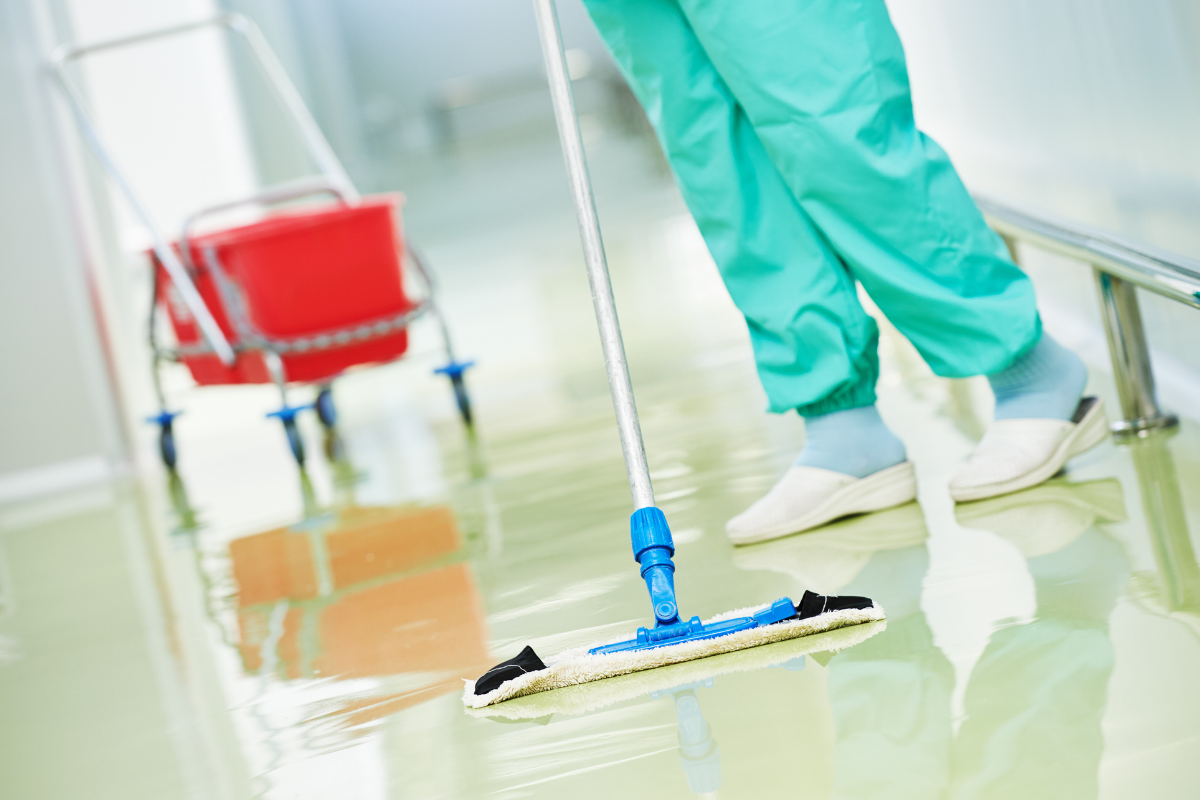
Essentially, standard cleaning handles what’s visible: floors, counters, glass, and trash. Meanwhile, deep cleaning in Los Angeles goes further. It targets grout lines, HVAC vents, and the spots behind fixtures that standard routines skip. Because these areas accumulate buildup slowly, they often get overlooked until the problem becomes obvious.
How Often LA Retail Spaces Actually Need a Deep Clean
Generally, most retail stores benefit from a deep clean every one to three months. High-traffic locations near beaches or busy shopping districts may need it more often. Additionally, seasonal factors matter too. Holiday foot traffic and LA’s dust and pollen cycles both accelerate the buildup that standard cleaning misses.
The Domino Effect: What Happens Next
Once retail store cleaning starts slipping, the consequences rarely stay isolated. Instead, one overlooked area triggers a chain reaction. That reaction touches nearly every part of the business.
Customer Perception and the 7-Second Judgment
Typically, shoppers form an impression within seconds of walking in. Specifically, a dirty entrance or a sticky floor signals neglect before a customer reaches the merchandise. Unfortunately, that first impression is difficult to reverse, no matter how good the products are.
Employee Morale and Turnover Risk
Understandably, nobody wants to work in a space that feels neglected. Consequently, staff morale drops when cleanliness slides. Turnover often follows. In the long run, replacing and retraining employees costs far more than staying clean in the first place.
Health and Safety Liability
Realistically, slip-and-fall incidents, poor air quality, and pest attraction are genuine risks. According to OSHA’s walking-working surfaces standard, employers must keep floors clean and free of hazards like spills and debris. This requirement exists precisely because these conditions cause so many workplace injuries. In fact, a single injury claim tied to a dirty floor can cost more than years of professional cleaning combined. In addition, pests drawn to food debris create liability that extends well beyond appearances.
The Compounding Cost: Why Small Neglect Gets Expensive Fast
Over time, grime that sits untreated hardens and stains set permanently. Buildup that could have been wiped away now needs specialized equipment to remove. Therefore, the longer a lapse continues, the more expensive the eventual fix becomes.
Retail Store Cleaning Mistakes That Accelerate the Slide
Admittedly, some habits speed up the decline faster than others. So, recognizing these patterns is the first step toward breaking them.
Relying on Staff to “Clean as They Go”
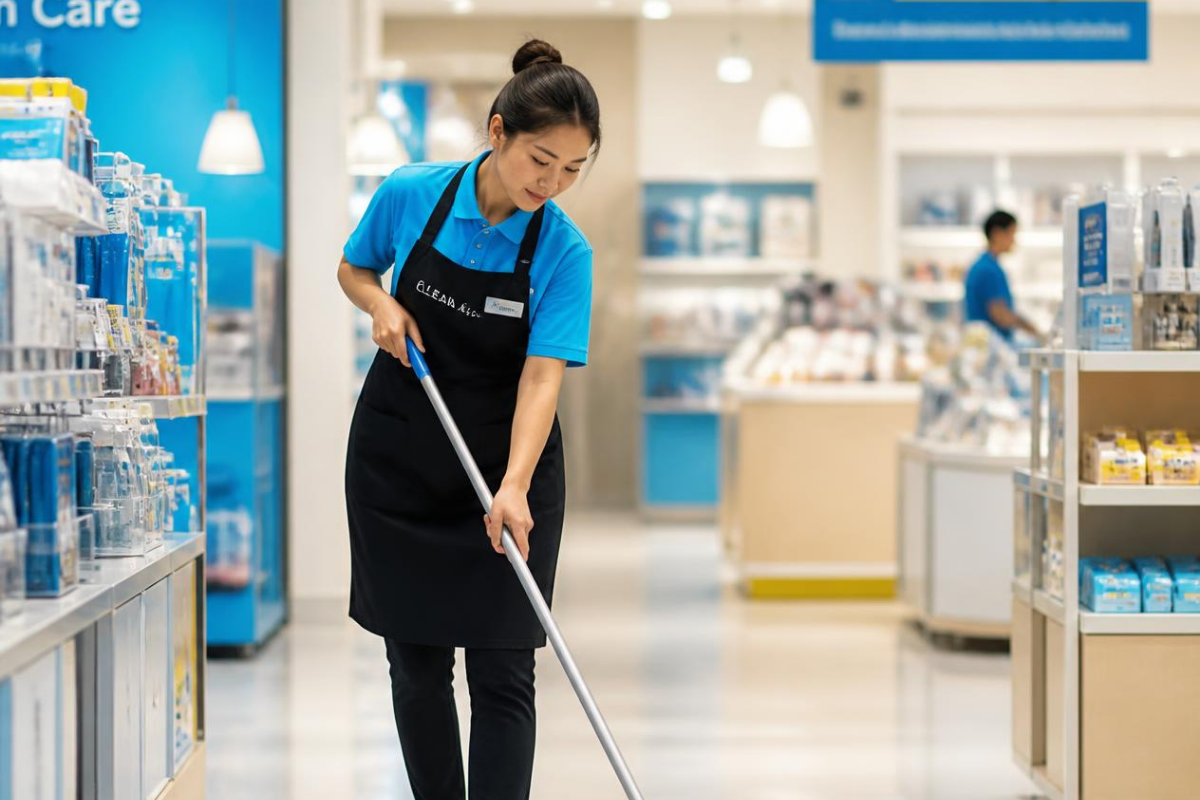
Generally, sales associates have a full-time job already: serving customers. Therefore, asking them to also handle deep cleaning stretches their attention thin. In turn, this guarantees inconsistent results.
Treating Cleaning Frequency as Fixed, Not Seasonal
Unfortunately, a cleaning schedule built once and never revisited ignores reality. For example, foot traffic spikes during holidays. Weather shifts bring in more dust and moisture too. So, each of these changes should adjust how often a space gets cleaned.
Skipping the Spaces Customers Don’t See
Often, stockrooms, HVAC vents, and break rooms get the least attention because customers never see them. However, these spaces still affect air quality and pest control. They shape employee experience too. So, skipping them creates problems that eventually surface elsewhere.
How Professional Deep Cleaning Services in Los Angeles Reverse the Slide
Once a store has slipped, a single standard cleaning won’t undo months of buildup. This is where a dedicated recovery plan becomes necessary.
What a Recovery Clean Actually Involves
Typically, a proper recovery starts with a full inspection to identify every neglected area. From there, deep cleaning services in Los Angeles usually address flooring, fixtures, and high-touch surfaces. Ventilation systems get attention too, all in a single coordinated visit rather than piecemeal fixes spread across weeks.
Building a Maintenance Schedule That Prevents Round Two
Ultimately, recovery only matters if it sticks. So, a realistic maintenance calendar, paired with periodic deep cleans, keeps a store from sliding back. In addition, regular check-ins between the store and its cleaning provider help catch early warning signs before they escalate.
Questions Retail Owners Rarely Think to Ask Their Cleaning Company

Generally, most owners evaluate a cleaning company on price alone. That’s a mistake. Instead, a few pointed questions reveal far more about long-term reliability.
Who’s Actually Trained on Your Team?
First, ask whether the crew assigned to your store has retail-specific training. General janitorial experience alone isn’t enough. After all, retail spaces have unique demands, from glass display cases to fitting rooms.
What’s Your Plan for High-Traffic Weeks?
Ideally, a good provider already has a strategy for holidays and seasonal surges. If they don’t, that’s a warning sign. It means they’ll struggle to keep pace when it matters most.
How Do You Handle After-Hours Access and Security?
Often, retail stores need cleaning outside business hours. Consequently, it’s worth confirming how a provider manages keys, alarm codes, and liability. This matters most during those unsupervised hours.
Getting Ahead of the Slip
Ultimately, catching a decline early is always cheaper than reversing one. So, a few simple habits make the difference. They separate a store that stays sharp from one that quietly slides.
A Simple Self-Audit You Can Run This Week
To start, walk through your own store as if you were a first-time customer. Then, check entrances, fitting rooms, and restrooms first, since these areas reveal problems fastest. Finally, note anything that feels off, even small details. Track whether the same issues keep reappearing week after week.
When to Call in Professional Help
If a self-audit turns up recurring problems, it’s time to bring in a professional team. The same goes if it’s been more than a few months since the last deep clean. After all, waiting rarely saves money. It almost always costs more in the long run.
Ultimately, Los Angeles Cleaning Company works with retail spaces across Southern California. We build cleaning schedules that actually hold up under real foot traffic. So, contact us today to schedule an assessment before small slips become bigger problems.



