

Cleaning should make your home easier to manage. However, popular habits can sometimes create more work. Many people follow advice from family, social media, or quick online cleaning hacks without questioning whether those methods actually work.
That is where cleaning myths can waste your time. Using too much product, choosing the wrong cleaner, or treating every surface the same can create extra work. In some cases, the wrong approach can even damage the surface you are trying to protect.
Fortunately, better cleaning does not always require more effort. Instead, it requires the right method for the right situation. Let’s separate common cleaning beliefs from practical advice and look at what really works.
Why Cleaning Myths Are So Hard to Shake
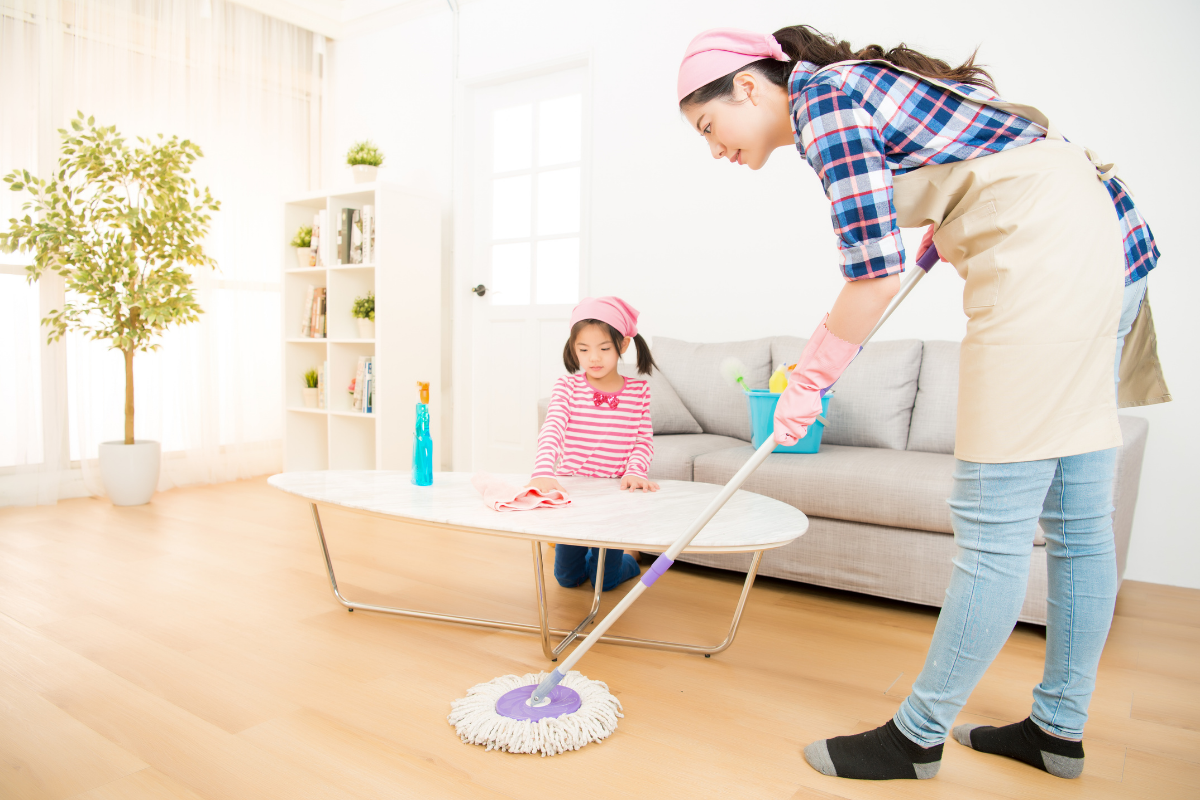
Cleaning advice often sounds simple because household tasks feel familiar. Yet familiarity does not always make a method effective.
Many habits also spread because they produce a visible result. A surface looks shiny, a stain disappears, or a room smells fresh. Those results do not always show whether the method was appropriate.
Familiar Advice Can Feel Like Expert Advice
People often learn cleaning routines at home. Parents may teach children how to scrub a bathroom, wash a floor, or clean a kitchen. Over time, those routines can become automatic.
Social media has added another layer to the conversation. Short videos can make complicated cleaning jobs look remarkably easy. A dramatic before-and-after result may also make a particular product or technique seem universally effective.
Several factors can affect a cleaning result. The material, type of soil, product, amount, contact time, and technique all play a role.
A Trick That Works Once Is Not Always a Good Method
A cleaning hack might work on one surface and fail on another. It could also solve a small problem while creating a larger one later.
For example, an acidic cleaner may help remove mineral deposits from a suitable surface. That same approach could damage a material that does not tolerate acids.
Therefore, a useful cleaning method needs more than a successful anecdote. The approach should also suit the surface, the cleaning problem, and the product instructions.
Cleaning Faster Does Not Always Mean Cleaning Better
Speed matters when you have a busy schedule. Nevertheless, rushing through a task can lead to missed areas, excess product, or repeated work.
A systematic approach usually makes more sense. Work from cleaner areas toward dirtier ones, follow product directions, and use the appropriate tools for each task.
The goal is not to spend more time cleaning. Instead, aim to avoid spending time cleaning the same thing twice.
7 Cleaning Myths That Waste Your Time
Now we can tackle some of the most common assumptions directly. These myths may sound harmless, but they can lead to wasted products, unnecessary effort, poor results, or avoidable damage.
Myth 1: More Cleaning Product Means Better Results
Extra cleaner can seem like a logical solution for a heavily soiled surface. After all, more product might appear to mean more cleaning power.
In reality, extra product does not automatically produce a cleaner surface. Excess cleaner can leave residue behind. That residue may require additional wiping or rinsing, which adds another step to the job.
Product labels exist for a reason. Follow the recommended amount and application method instead of guessing.
Why This Myth Persists
The idea feels logical. If a little product helps remove dirt, then more should help remove even more.
Cleaning products contain specific ingredients designed to work at particular concentrations. Adding more can change how the product behaves without improving the result.
A Better Approach
Start with the amount recommended on the label. If the surface still needs attention, identify the reason before adding more product.
A different tool, longer contact time, better agitation, or another suitable cleaner may solve the actual problem.
That approach can save both product and effort.
Myth 2: Vinegar Cleans Everything
Vinegar has earned a place in many household cleaning routines. Its acidity can make it useful for certain tasks, especially when dealing with some mineral deposits or odors.
However, vinegar is not a universal cleaner. The American Cleaning Institute advises checking manufacturer instructions and notes that vinegar can damage natural stone, stone tile, hardwood floors, and furniture. It also does not replace an EPA-registered disinfectant when disinfection is required.
Why This Myth Became Popular
Vinegar is inexpensive and easy to find. Its popularity has also grown alongside interest in simpler household cleaning solutions.
That does not make the ingredient suitable for every material. “Natural” describes the source of an ingredient, not its compatibility with every surface.
Where Vinegar Can Cause Problems
Acidic cleaners can affect sensitive materials. Natural stone provides a particularly important example.
Marble, granite, and other stone surfaces can react poorly to acidic products. The wrong cleaner can dull the finish or damage the surface over time.
Therefore, check the care instructions before reaching for vinegar. When in doubt, use a product recommended for the specific material.
Myth 3: If It Looks Clean, It Is Clean
A clean-looking surface can still need attention. Dust, residue, and grime do not always announce themselves with an obvious stain.
High-touch areas provide a good example. Door handles, light switches, appliance handles, remote controls, and other frequently used surfaces can receive repeated contact throughout the day.
The CDC explains that cleaning removes dirt, impurities, and many germs from surfaces. It also distinguishes cleaning from sanitizing and disinfecting, which serve different purposes.
Appearance Can Be Misleading
Shiny does not always mean thoroughly cleaned. A surface can look polished while still carrying residue or buildup in edges, corners, seams, and other overlooked areas.
For that reason, a systematic routine works better than cleaning only what catches your eye.
Where Dirt Hides in Plain Sight
Look beyond the obvious areas. Pay attention to:
- Door handles
- Light switches
- Cabinet handles
- Appliance controls
- Remote controls
- Baseboards
- Corners and edges
- Areas beneath furniture
- Frequently touched bathroom and kitchen surfaces
You do not need to scrub every item every day. Instead, identify the areas that receive the most use and build them into an appropriate routine.
Myth 4: Bleach Is the Answer to Every Cleaning Problem
Bleach has an important place in disinfection. Still, it is not a universal solution for every cleaning task.
The CDC notes that cleaning and disinfecting are different processes. In many household situations, cleaning with soap and water can remove most germs from surfaces. Disinfection may become more relevant when someone is sick or has recently been sick.
Cleaning and Disinfecting Are Not the Same Thing
Cleaning removes dirt, impurities, and many germs. Disinfecting uses chemicals to kill remaining germs on suitable surfaces.
That distinction matters because you should choose a product based on the actual task. A disinfectant is not automatically the best answer for ordinary dirt.
Why More Bleach Is Not Better
Bleach products require careful handling. Always follow the label directions and use the appropriate dilution when the product calls for it.
Most importantly, never mix bleach with other cleaning products or disinfectants. The CDC warns that mixing products can release dangerous vapors. Good ventilation and appropriate protective equipment also matter when product instructions call for them.
Safety should always come before cleaning speed.
Myth 5: You Need to Clean Everything Every Day
A spotless home can be appealing, but that does not mean every surface needs daily attention.
Cleaning frequency depends on use, traffic, household habits, and the type of area. A busy kitchen may need frequent attention, while a rarely used guest room may not.
Not Every Surface Has the Same Cleaning Needs
High-touch areas deserve more regular attention than rarely used surfaces. Kitchens and bathrooms also tend to require more frequent cleaning because of how people use them.
Pets, children, cooking habits, and household traffic can change the picture further.
Therefore, a good routine should reflect how your home actually functions.
Build a Sustainable Cleaning Routine
Separate your tasks into categories. Handle essential maintenance regularly, then schedule less frequent jobs as needed.
For example, you might wipe commonly used surfaces and maintain kitchen and bathroom areas regularly. Meanwhile, baseboards, vents, detailed fixtures, and other less frequently addressed areas can form part of a periodic deeper clean.
This approach is more realistic than trying to clean your entire home every day.
Myth 6: Professional Cleaning Is Only for Messy Homes
This myth can stop people from seeking help when they actually need it.
Professional cleaning is not limited to homes with severe clutter or visible mess. People may hire cleaners because they lack time, need help maintaining a property, want a deeper clean, or face a major transition.
Los Angeles Cleaning Company offers residential cleaning that includes routine and deep cleaning, along with recurring service and move-in or move-out cleaning.
Clean Homes Can Still Benefit From Professional Help
A well-maintained home can still require significant work. Busy professionals may prefer to spend their free time elsewhere. Families may have competing responsibilities. Someone preparing for a move may simply have too much to handle at once.
In those situations, hiring help is not necessarily about fixing a “dirty” home. The decision can simply reflect how someone wants to manage their time and workload.
When Professional Help Becomes Practical
Consider professional assistance when:
- Cleaning repeatedly gets postponed.
- A deep clean requires more time than you have.
- You are moving into or out of a property.
- Your home has several rooms or high-traffic areas.
- You lack the right equipment for a demanding task.
- Cleaning takes away time from important priorities.
The right decision depends on your circumstances. There is no rule that says every homeowner must clean everything alone.
Myth 7: You Can Clean Every Surface the Same Way
One cleaner cannot safely solve every cleaning problem.
Different materials react differently to moisture, acids, abrasives, solvents, and disinfectants. Therefore, the safest method depends on the surface and the product.
Different Materials Have Different Requirements
Wood, natural stone, glass, stainless steel, tile, fabric, and other materials each have different care requirements.
For example, vinegar may be unsuitable for some natural stone surfaces. Likewise, abrasive tools can scratch finishes that require gentler treatment.
Before using a product, check the surface manufacturer’s care guidance whenever possible.
The Wrong Product Can Create a Bigger Problem
A cleaning mistake can leave more than a streak.
The wrong product may cause discoloration, dullness, residue, scratches, or other surface damage. In turn, fixing that damage can cost more than choosing the correct cleaning method in the first place.
If you are unsure about a delicate or unfamiliar surface, stop and check the care instructions before continuing.
Cleaning Myths That Can Cost You More Than Time
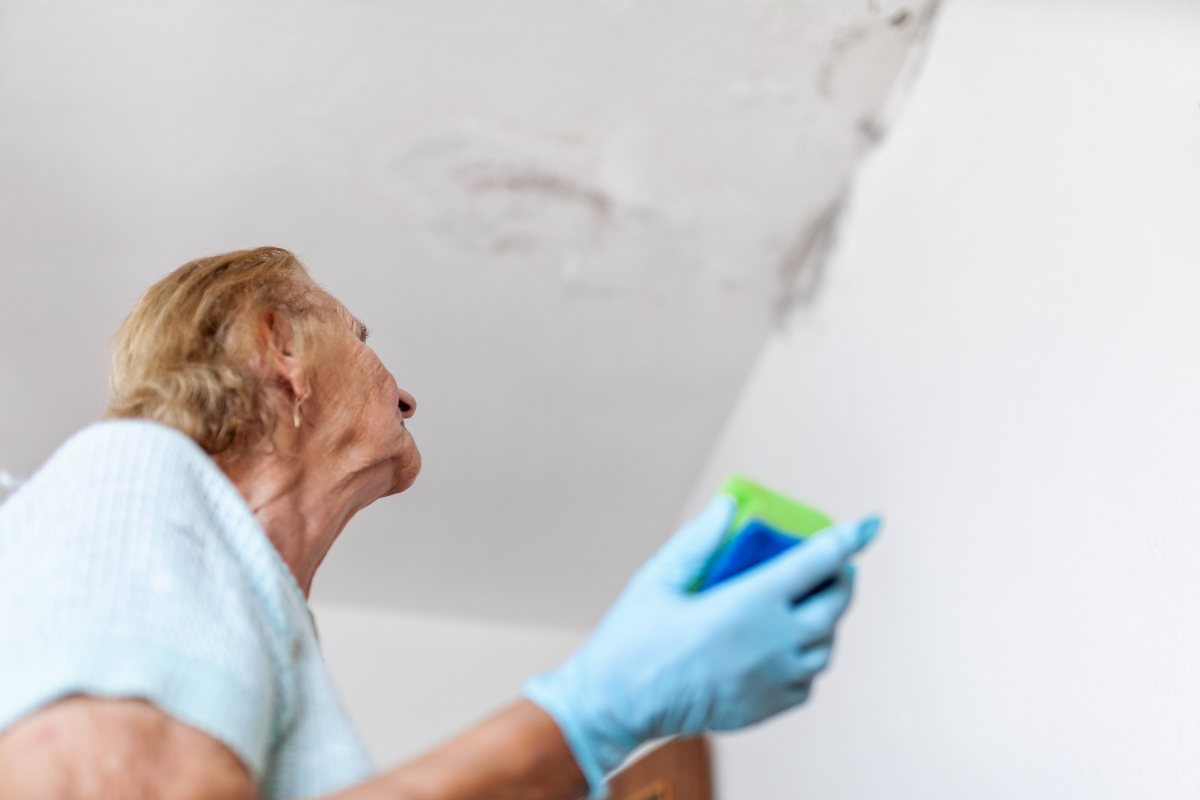
Time is not the only thing these misconceptions can waste. Some shortcuts can create financial costs as well.
A cleaning mistake may damage a surface or force you to repeat the same task. Looking at the bigger picture can help you make better cleaning decisions.
The Cost of Wasted Cleaning Products
Using too much product can make supplies disappear faster. Buying several different products to solve the same problem can increase the cost even further.
Instead, identify the type of soil and the surface first. Then choose a suitable product and follow its instructions.
A targeted approach usually makes more sense than building a cabinet full of products that rarely solve the underlying problem.
The Cost of Damaging a Surface
Aggressive cleaning can feel productive because you can see immediate action. However, more scrubbing or stronger chemicals can damage finishes that need gentler care.
Surface damage may require professional restoration or replacement. Therefore, prevention often costs less than correction.
When a manufacturer provides care instructions, treat them as the starting point rather than relying on a viral cleaning hack.
The Cost of Repeating Ineffective Methods
Have you ever cleaned the same spot several times without getting the result you wanted?
Repeated attempts often signal a problem with the method, not a lack of effort.
The surface may need a different product. A stain could require another treatment. You may also need to allow the product to work for the recommended amount of time.
Instead of repeating the same process, stop and reassess.
The Cost of Treating Your Time as Free
DIY cleaning does not come with a labor invoice. Still, your time has value.
A four-hour cleaning session can take time away from work, family, rest, errands, or activities you actually enjoy. For some households, that trade-off makes professional help worth considering.
The point is not that professional cleaning always costs less. Rather, you should consider the full value of the time you spend doing the work yourself.
How to Tell Good Cleaning Advice From a Myth
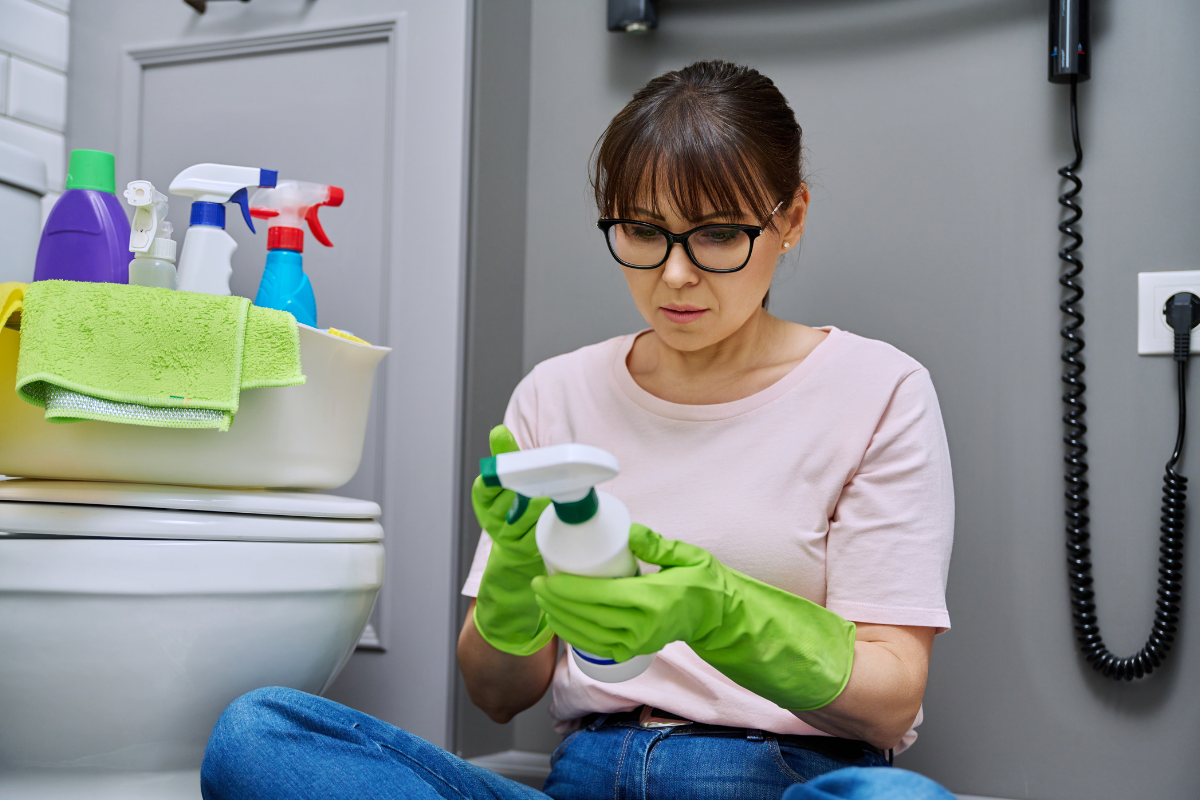
Not every unusual cleaning tip is wrong. Likewise, not every traditional method is automatically correct.
The key is to evaluate the advice before applying it. A few simple questions can help you separate useful guidance from risky shortcuts.
Ask What Surface You Are Cleaning
Start with the material.
A method that works on ceramic tile may not suit natural stone. A cleaner suitable for glass may not belong on finished wood.
Surface compatibility should come before convenience.
Ask What You Are Actually Trying to Remove
Different problems require different approaches.
Dust is not grease. Mineral deposits are not soap residue. A stain is not the same as general surface dirt.
Once you identify the problem, you can select a more appropriate method.
Check the Product Instructions
Product labels provide important information about application, dilution, surfaces, contact time, ventilation, and other safety requirements. You can also learn more about choosing cleaning products through the EPA’s Safer Choice program.
Be Suspicious of “Works on Everything” Claims
Household surfaces vary too much for one method to work perfectly everywhere.
A universal cleaning claim may sound convenient. However, it can ignore important differences in materials and soil types.
If a tip promises to solve every cleaning problem with one ingredient, investigate it before trying it.
Consider Whether the Advice Has a Safety Risk
Safety deserves special attention when chemicals enter the equation.
The CDC advises people not to mix cleaning or disinfecting products. It also recommends following label directions, ensuring adequate ventilation, and using appropriate protective equipment when required.
When advice encourages chemical mixing or ignores product instructions, do not treat it as a harmless hack.
When DIY Cleaning Stops Making Sense
DIY cleaning remains a practical choice for many households. However, there are situations where continuing to handle everything yourself may no longer be efficient.
The important question is not whether you can do the work. Instead, ask whether doing it yourself still makes sense.
The Cleaning Keeps Getting Postponed
One missed cleaning session is normal. A constant cycle of postponement is different.
If weekends disappear into unfinished chores, the cleaning workload may no longer fit your schedule.
At that point, professional assistance can help restore a manageable routine.
The Job Is Bigger Than a Normal Cleaning Session
Some situations require more than everyday maintenance.
Moving, preparing a property, recovering from construction, or tackling accumulated buildup can create a much larger workload. Los Angeles Cleaning Company offers deep cleaning, move-in and move-out cleaning, and post-construction cleaning alongside standard and recurring services.
These services address situations that may fall outside a typical weekly cleaning routine.
You Do Not Have the Right Equipment or Expertise
Some cleaning tasks demand specialised products, equipment, or techniques.
Rather than experimenting on an expensive surface, consider whether professional assistance would reduce the risk.
That option can be particularly useful when the cleaning involves delicate materials, extensive buildup, or a large property.
The Cleaning Is Taking Time Away From Higher Priorities
Your home matters. So does the rest of your life.
If cleaning consistently takes time away from work, family, rest, or other priorities, outsourcing some tasks may provide meaningful value.
Ultimately, the best cleaning routine is one you can maintain without creating unnecessary stress.
What to Know Before Hiring a Professional Cleaner
Once you decide to hire help, the next step is choosing a service that matches your needs.
Do not focus only on the promise of a spotless home. Instead, look at what the service includes, how the company communicates, and whether the cleaning plan fits your property.
Know What Type of Cleaning You Need
Start by identifying the job.
You may need standard cleaning for routine maintenance. Alternatively, deep cleaning, recurring service, move-in cleaning, move-out cleaning, or post-construction cleaning may better suit your situation.
Knowing the difference helps you request the right service.
Ask What the Service Includes
A clear scope prevents misunderstandings.
Ask which rooms the team will clean, which tasks they will perform, and whether certain areas require additional attention.
This step also helps you compare providers more accurately.
Understand How Pricing Is Determined
Cleaning costs can vary based on factors such as property size, service type, condition, frequency, and additional requirements.
Therefore, avoid assuming that one flat rate applies to every home.
Ask for a clear explanation of what the quoted service covers before booking.
Look for Clear Communication and Expectations
A reliable cleaning experience starts before anyone enters your home.
You should be able to communicate your cleaning needs, priorities, scheduling requirements, and relevant property details clearly.
Los Angeles Cleaning Company promotes online booking, flexible scheduling, trained cleaners, and a defined booking-to-cleaning process on its website.
Clear expectations help both the customer and the cleaning team.
How Los Angeles Homeowners Can Avoid Cleaning Myths

Los Angeles homeowners have plenty of cleaning options. Yet the best choice still depends on the property, schedule, and cleaning requirements.
When comparing home cleaning services in Los Angeles, avoid choosing a provider based only on a low price or a promise of a quick transformation.
Instead, consider the type of cleaning you need. Check the service scope. Ask questions about scheduling and pricing. Most importantly, make sure the provider understands your expectations.
Los Angeles Cleaning Company serves residential customers across Southern California and offers several residential cleaning options, including standard, deep, recurring, move-in, move-out, and apartment and condo cleaning.
A thoughtful approach can help you avoid another common misconception: assuming that every cleaning company offers the same service.
Clean Smarter, Not Just More Often

Good cleaning is not about using the strongest product or spending the entire weekend scrubbing.
Instead, it starts with understanding the surface, identifying the cleaning problem, choosing an appropriate method, and following product directions. Those simple steps can prevent many of the mistakes that make cleaning harder than it needs to be.
The biggest cleaning myths often sound convincing because they offer simple answers. However, real homes rarely present simple problems. Materials differ. Cleaning needs change. Schedules vary. Some jobs also require more time or expertise than a typical household routine can provide.
Question the shortcut before you try it. Use the right product for the right task. Avoid dangerous chemical combinations. Finally, recognise when professional help can save more than time.
A cleaner home should not require unnecessary effort. When the workload becomes too much to manage alone, professional cleaning can give you a practical way to take back that time and maintain a space that feels comfortable, cared for, and ready for everyday life.



